Cost per conversion
£30 on paid search
Project case study
Hilda Estates needed more than websites that simply existed online. The commercial priority was better visibility, stronger lead generation, and a search-ready structure across multiple property sites serving different markets, stay types, and local intent.
9 live sites
Cost per conversion
£30 on paid search
Websites
9 portfolio sites
Approach
Scalable SEO framework
Problem
The client’s problem was not just getting property websites online. The bigger priority was improving discoverability and lead generation, especially around lettings demand, short-stay demand, local SEO performance, Google Maps visibility, and the broader search foundations needed to support growth.
Across the portfolio, the commercial offers were already strong, but those strengths only become commercially useful when search engines can crawl, index, understand, and rank the right pages effectively.
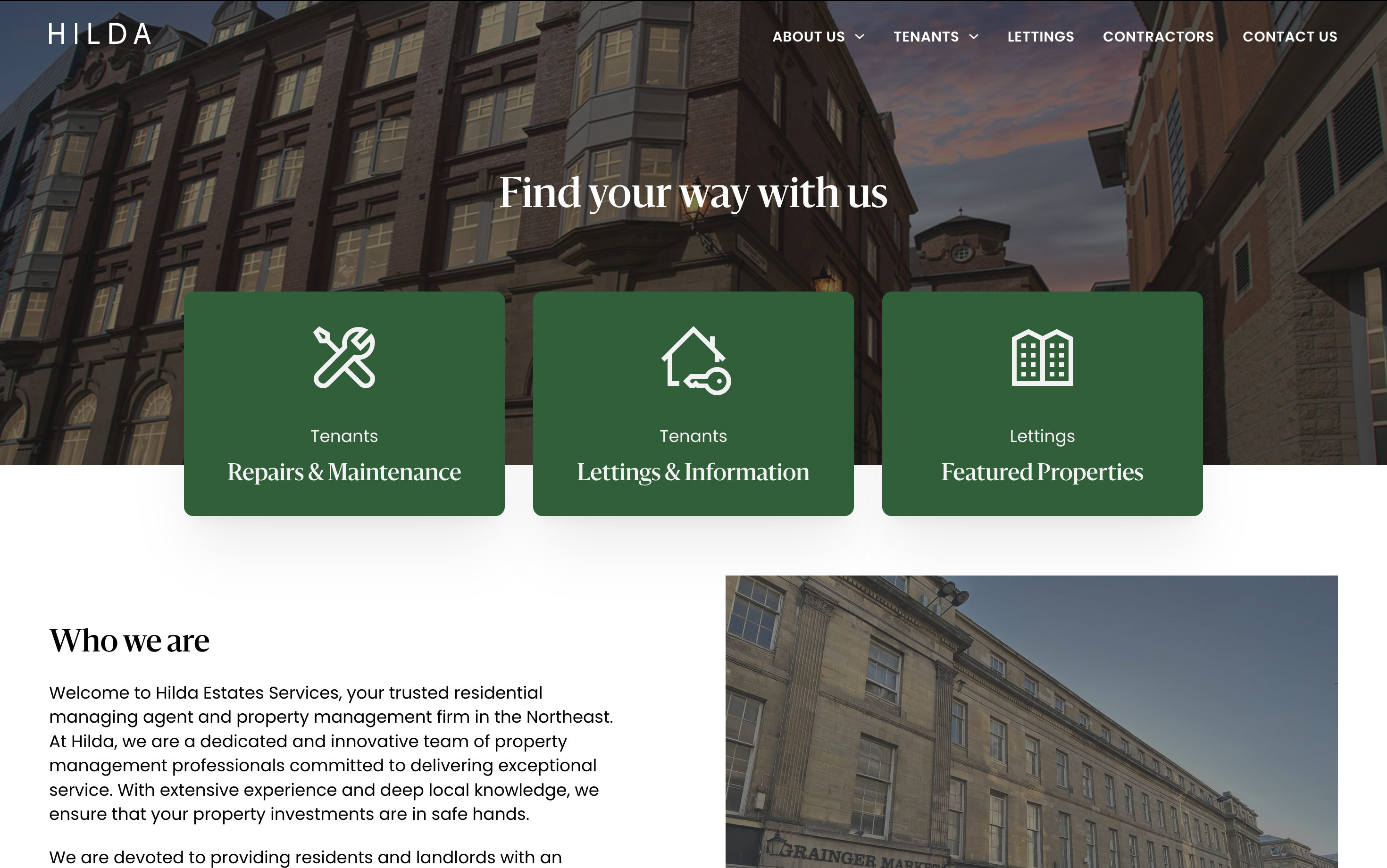
Portfolio context
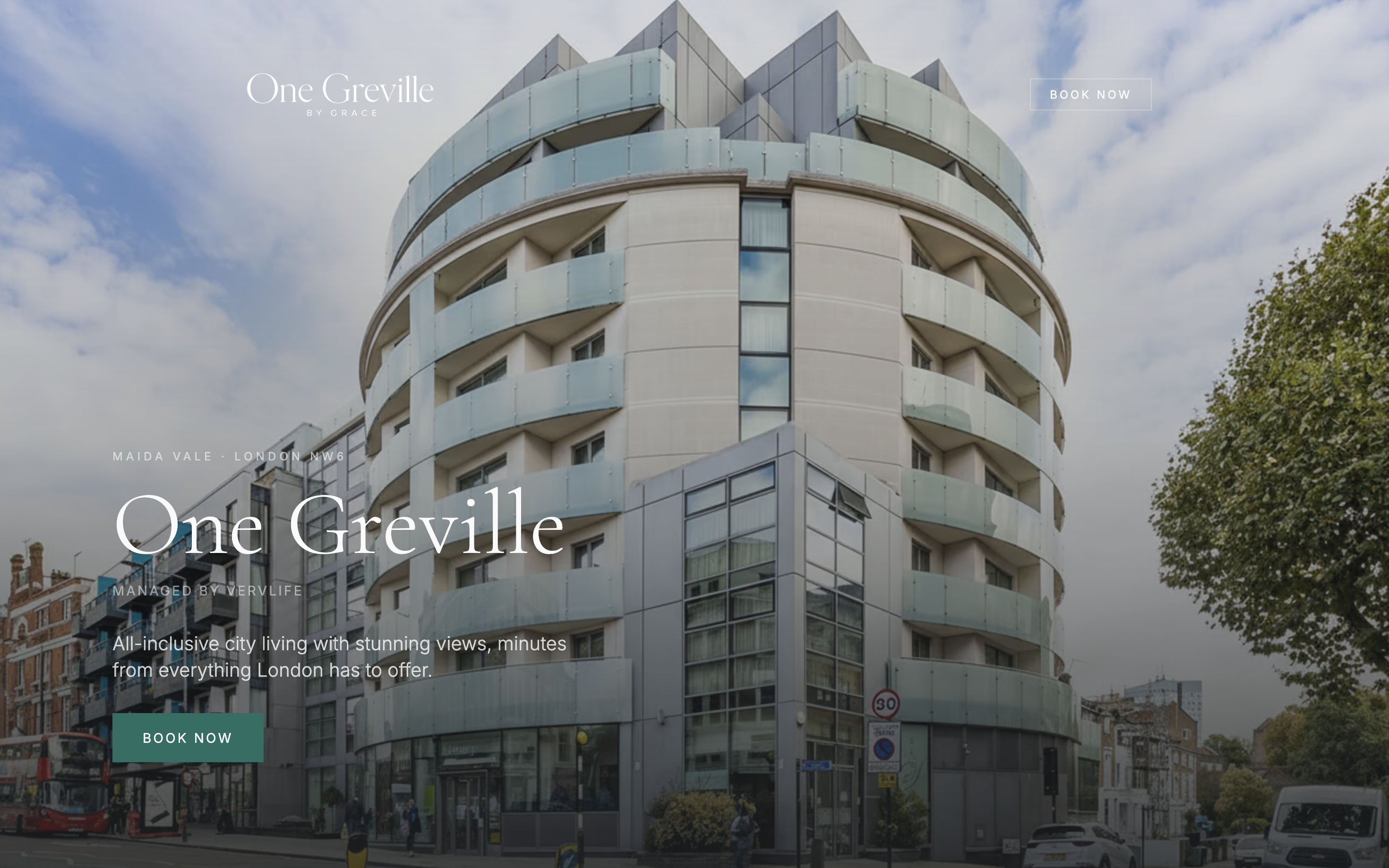
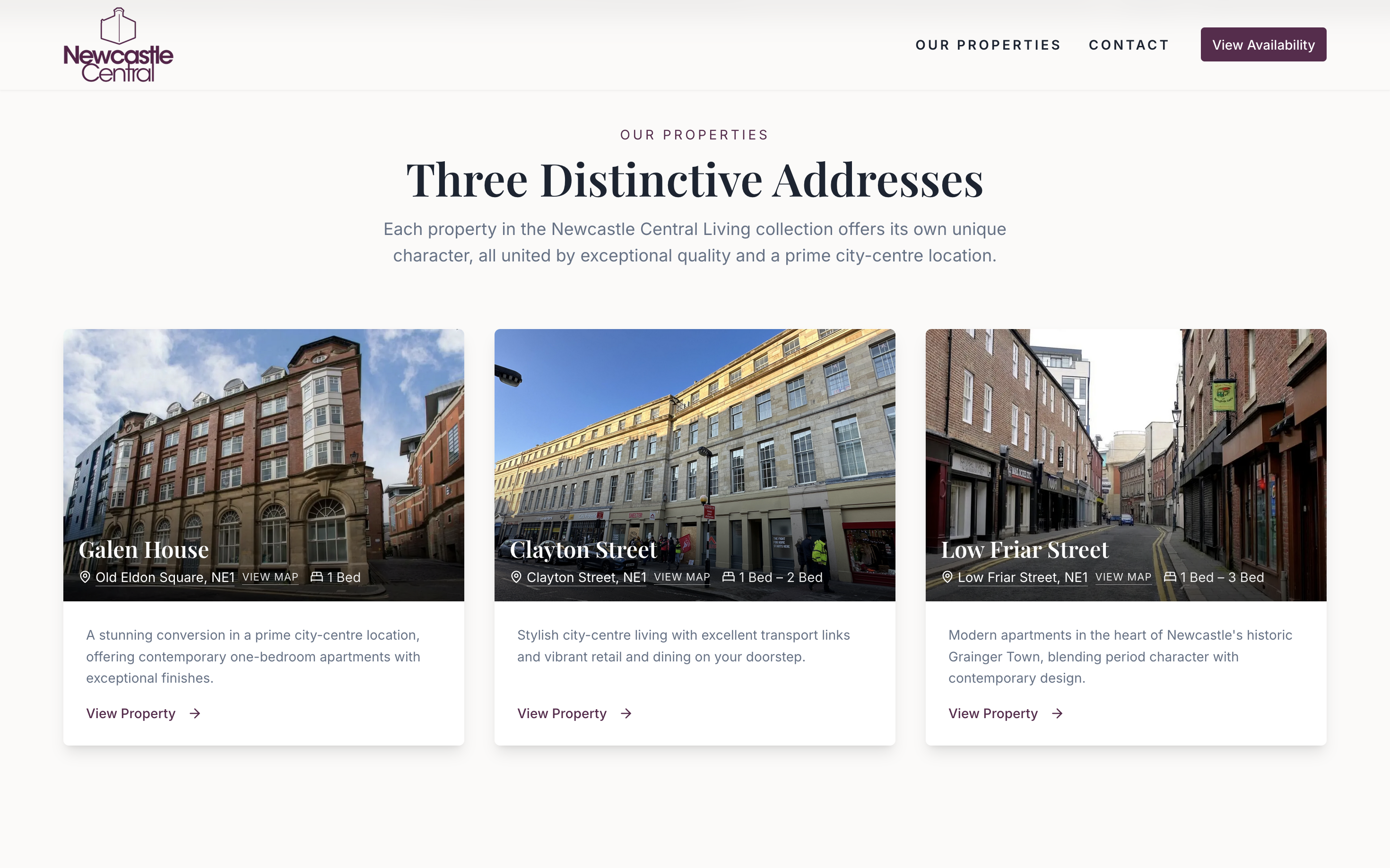
This was not a one-size-fits-all SEO job. The portfolio included different products in different markets, such as short-stay apartments in Maida Vale, central Newcastle apartments, and premium Newcastle studio living aimed at students, professionals, and corporate residents.
That meant each website needed its own search-intent alignment around geography, property type, and stay purpose, while still fitting into a repeatable technical framework across the wider estate.
SEO infrastructure
My role was to build the SEO infrastructure layer across the portfolio: improving crawlability, clarifying sitemap coverage, reviewing indexation signals, and making the sites easier for search engines to interpret at page and site level.
The work sat around technical SEO, site structure, metadata strategy, internal linking, canonical hygiene, and search-readiness rather than simply adding copy or performing isolated content tasks.
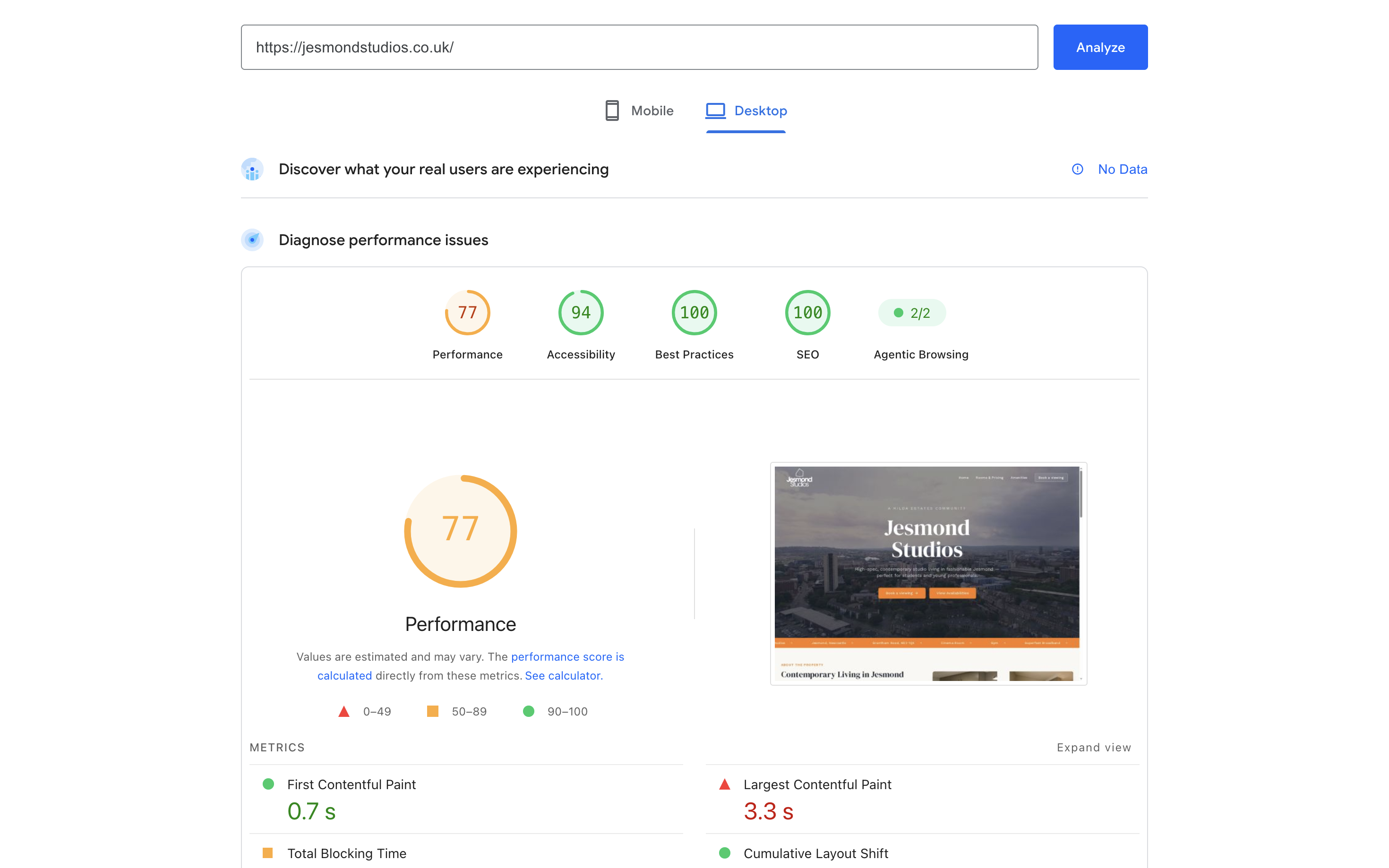
Technical work
The technical focus was on the areas that most directly affect discoverability and crawl efficiency across a growing estate of property websites. That included sitemap discipline, robots alignment, canonical consistency, metadata structure, and stronger internal linking into commercially important pages.
On a portfolio like this, those details matter because property websites can easily drift into duplicate templates, weak landing pages, or orphaned URLs if no technical structure is enforced.
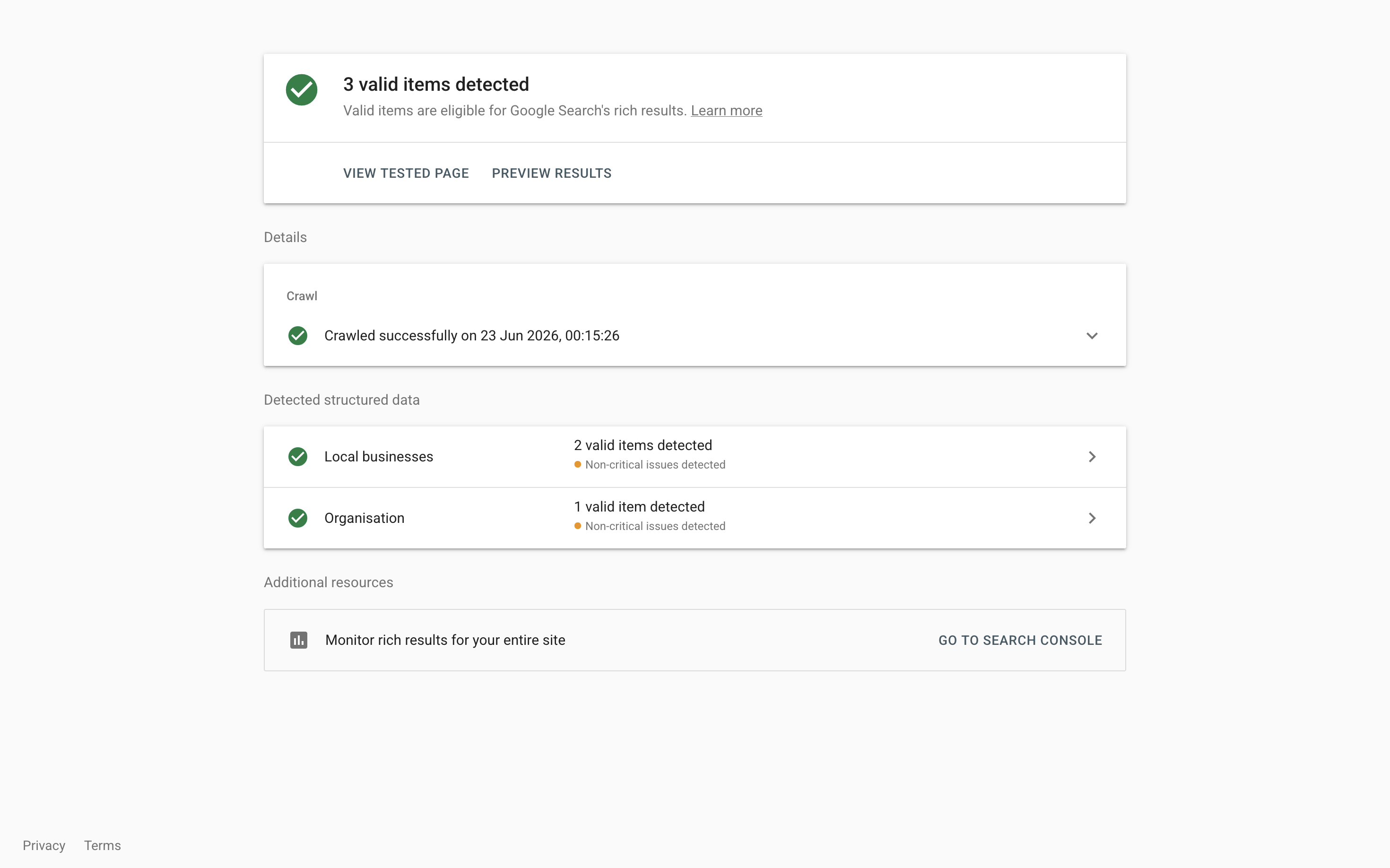
Outcome
The outcome was a more repeatable search framework that supported both immediate commercial priorities and future portfolio expansion. Instead of relying only on brand traffic or paid acquisition, the sites were better positioned to compete around accommodation type, neighbourhood, city, and stay-duration intent.
Just as importantly, the work helped bridge the gap between property marketing goals and technical implementation by turning commercial priorities into crawlable, indexable, and more scalable web structure.
The benefit showed up on the paid side as well. The campaigns themselves were run by a separate team, but the technical work changed the quality of what those ads landed on: faster pages, clearer structure, and landing pages aligned to the intent behind the query rather than pointing spend at a generic template. Landing page experience is one of the inputs Google uses to set Quality Score, which affects what an advertiser actually pays per click, and better intent alignment lifts the conversion rate on the traffic that does arrive.
Cost per conversion across the paid activity settled at around £30. For context, real estate search advertising averaged $102.51 per lead in LocaliQ’s 2026 benchmark study of US campaigns running from April 2025 to March 2026, so £30 sits at the efficient end of the category even allowing for differences in market and currency.
I work across technical consulting, UX structure, SEO-conscious delivery, and frontend implementation for products that need to feel credible from the first interaction.